Czwartek, 29.10.2026 18:00
We're happy to announce another Pykonik Tech Talks event, which will take place in the spaces of ECHO Miasta (Kapelanka 56)!
How to find us?
- DO NOT enter the shopping mall!
- Go around the building's left side and look for the gokarting track entrance.
- Standing in front of the rotating door, look to the left and find Pykonik's logo on the door, this is the door leading to us!
- Go onto the 2nd floor using the elevator or the staircase.
You can also expect lightning talks - up to ~5 min talks that anyone can give on pretty much any topic!
Starting from 18:00, the time we're opening our doors, the bar at the venue will be available just for us. You can grab something to drink and talk with other attendees until the event starts at 18:30. After the presentations are finished, we're staying for the afterparty/networking part of the meetup at the venue.
There is also a live stream planned!
We're also looking for people willing to share their experience, thoughts or stories to our community. If you want to submit a presentation, go to https://pykonik.org/zgloszenie/ Not sure if the topic is right? Contact us on our Discord, at https://discord.pykonik.org/ and we can sort things out :)
Francesco Puppini
Using NetworkX to understand an enterprise data model

What is a data model? A data model is a schema that shows the tables of a database and how they connect. These schemas are often hard to read, and when you analyze data (with SQL or Python), they can hide unexpected pitfalls.
In this speech, I will show you how to detect these pitfalls with the NetworkX library and ensure your queries and data transformations are correct.
Staszek Karcz
Thinking in Circuits, Writing in Python: What Hardware Taught Me About Code
I’m not a programmer. I’m an electronics engineer in the Biomarker Analysis Laboratory at AGH University of Krakow. I plan experiments in breath analysis and SPR (surface plasmon resonance) biosensing, turn them into requirements for measurement stands, and design and build the hardware. The Python software that runs those stands is written by students, more than ten of them, with new ones joining every semester. Working at the boundary between the experiment, the hardware and the code, I’ve learned that many rules from electronics design apply directly to software. A pinout is an API. A test point is a log line. A modular PCB is a modular codebase. A design review is a code review. In this talk I’ll show how an experiment becomes a specification, how we split the work between hardware and student-written software, what went wrong when interfaces weren’t defined, how we test code against devices that are not always available, and how we keep projects alive when their authors graduate.

Prelegenci
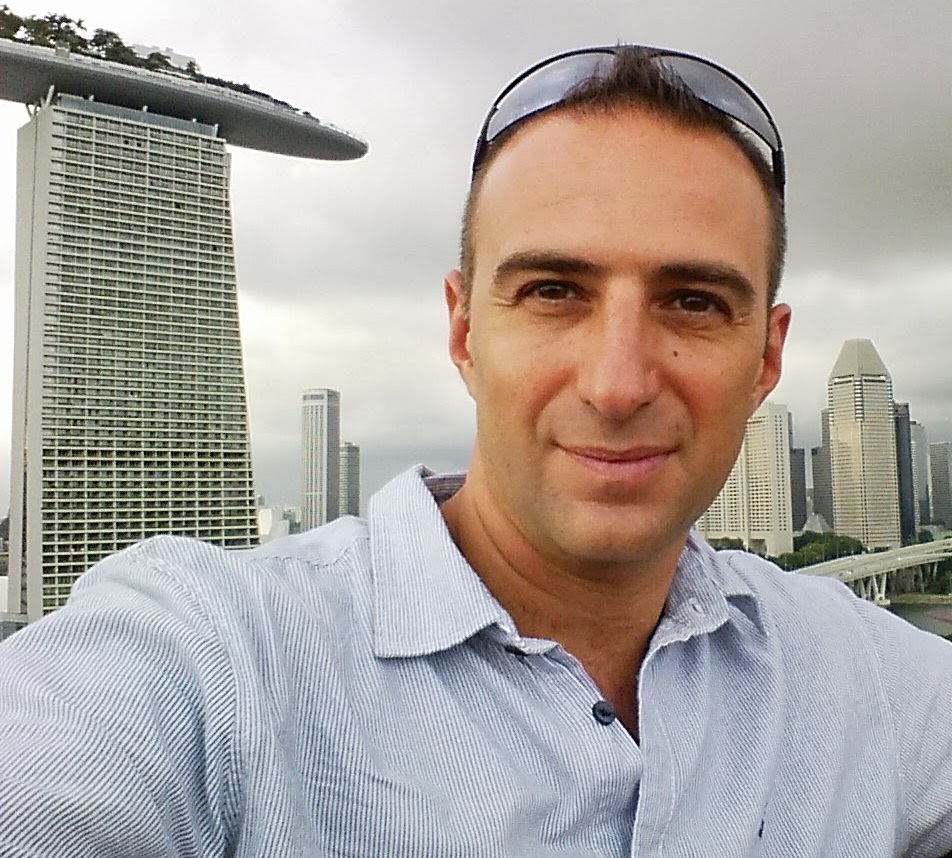
Francesco Puppini 
Francesco Puppini is an Italian freelance consultant in business intelligence and data warehousing. He invented the Unified Star Schema, which is also the title of a book available on Amazon. He has always focused on the “last mile challenge”: delivering information to business users. He is currently focusing on graph-theory algorithms applied to data modeling. He is also working on a framework for communication between LLMs and semantic layers. His ultimate goal is to lay the foundations for a full experience of self-service access to information.
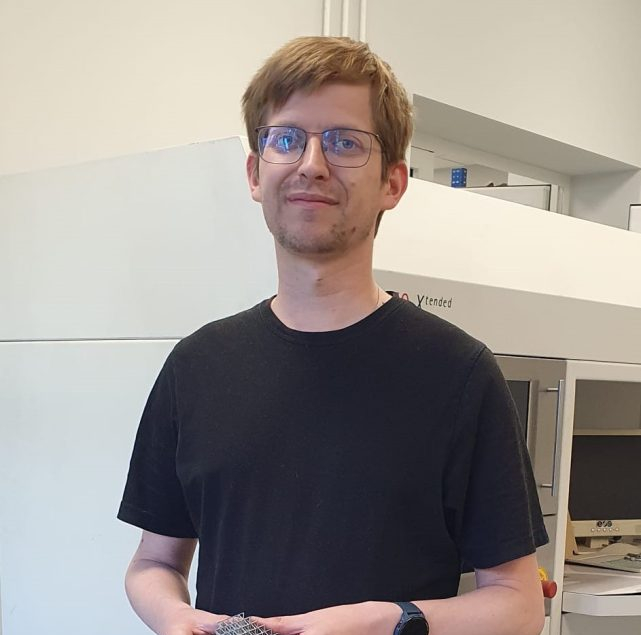
Staszek Karcz
Staszek Karcz is an electronics engineer at the Institute of Electronics, AGH University of Krakow, where he builds measurement stands for breath analysis and SPR biosensors in the Biomarker Analysis Laboratory and teaches embedded systems to Electronics and Space Technologies students. His Python experience started with simulating filters for an optical dust sensor, work that led to a Polish patent. Today he works with more than ten students who write the Python software for the lab’s setups, and he is still learning from them how to keep it all working together.

Sponsorzy spotkania

ECHO Miasta to nowa przestrzeń na mapie Krakowa, która powstaje z myślą o mieszkańcach głównie Ruczaju i Dębnik. Chcemy ją tworzyć wspólnie z lokalną społecznością, organizacjami, instytucjami publicznymi i startupami.


"Programista" to 2-miesięcznik skierowany do zawodowych programistów i członków zespołów IT. Magazyn ukazuj się od stycznia 2012 roku w wersji drukowanej, jak również w wersji elektronicznej.
Celem magazynu jest dostarczanie profesjonalnych i ciekawych materiałów, uzupełniających i poszerzających wiedzę czytelników. Programista stawia na nowości, ale nie zapomina o starszych rozwiązaniach. Artykuły są pisane przez naukowców i znanych specjalistów z branży.
W lutym ukazało się setne wydanie magazynu.

Paged Out! is a free experimental (one article == one page) technical magazine about programming (especially programming tricks!), hacking, security hacking, retro computers, modern computers, electronics, demoscene, and other similar topics.
It's made by the community for the community. And it's not-for-profit (though in time, we hope it will be self-sustainable) - this means that the issues will always be free to download, share, and print.