
Czwartek, 25.06.2026 18:00
We're happy to announce another Pykonik Tech Talks event! This time we welcome you at a new venue in the spaces of ECHO Miasta (Kapelanka 56)!
How to find us?
- DO NOT enter the shopping mall!
- Go around the building's left side and look for the gokarting track entrance.
- Standing in front of the rotating door, look to the left and find Pykonik's logo on the door, this is the door leading to us!
- Go onto the 2nd floor using the elevator or the staircase.
You can also expect lightning talks - up to ~5 msin talks that anyone can give on pretty much any topic!
During the lectures, starting from 18:00, the bar at the venue will be available just for us. After the presentations are finished, we're staying for the afterparty/networking part of the meetup at the venue.
There is also a live stream planned!
Oleg Szydłowski
AI agents orchestration with python

The usual way to wire sub-agents together puts an orchestrator LLM in charge of deciding what to call next — flexible, but non-deterministic: the same goal takes a different path every run, and long loops drift as context fills up. This talk shows a different approach: compile the goal into an explicit control-flow program once, then let deterministic code on python — not a model — drive every branch, retry, and loop, while the LLM just does the work at each node. The result is orchestration that's reviewable, reproducible, and bounded by construction, with a log that lets a crashed run resume exactly where it stopped.
Maria Lowas-Rzechonek
Wszystko, co musicie wiedzieć o docstringach, ale nie chcecie zapytać

Pamiętacie pierwszą klasę szkoły podstawowej i żmudne rysowanie szlaczków w zeszytach, żeby oddzielić jeden temat lekcji od drugiego? Wielu z nas kiedy dorosło, zamieniło zeszyty w linie na Pycharma, ale nawyki pozostały. Spójrzmy prawdzie w oczy: dla większości programistów pisanie docstringów to właśnie takie dorosłe „szlaczki”. Nużący obowiązek i wizualny wypełniacz, którego jedynym celem jest oddzielenie sygnatury funkcji od jej implementacji.
Większość z nas żyje w przekonaniu, że dobry kod dokumentuje się sam, a pisanie potrójnych cudzysłowów to strata czasu. Efekt? Albo nie piszemy ich wcale, albo generujemy automatyczne potworki, które informują świat, że funkcja get_user_id(user) służy do... get user id.
Przyjdź, jeśli nienawidzisz pisać dokumentacji. Obiecuję, że po tej prezentacji nadal możesz jej nienawidzić, ale przynajmniej pisanie jej stanie się mniej bolesne i do rzeczy!

Prelegenci

Oleg Szydłowski
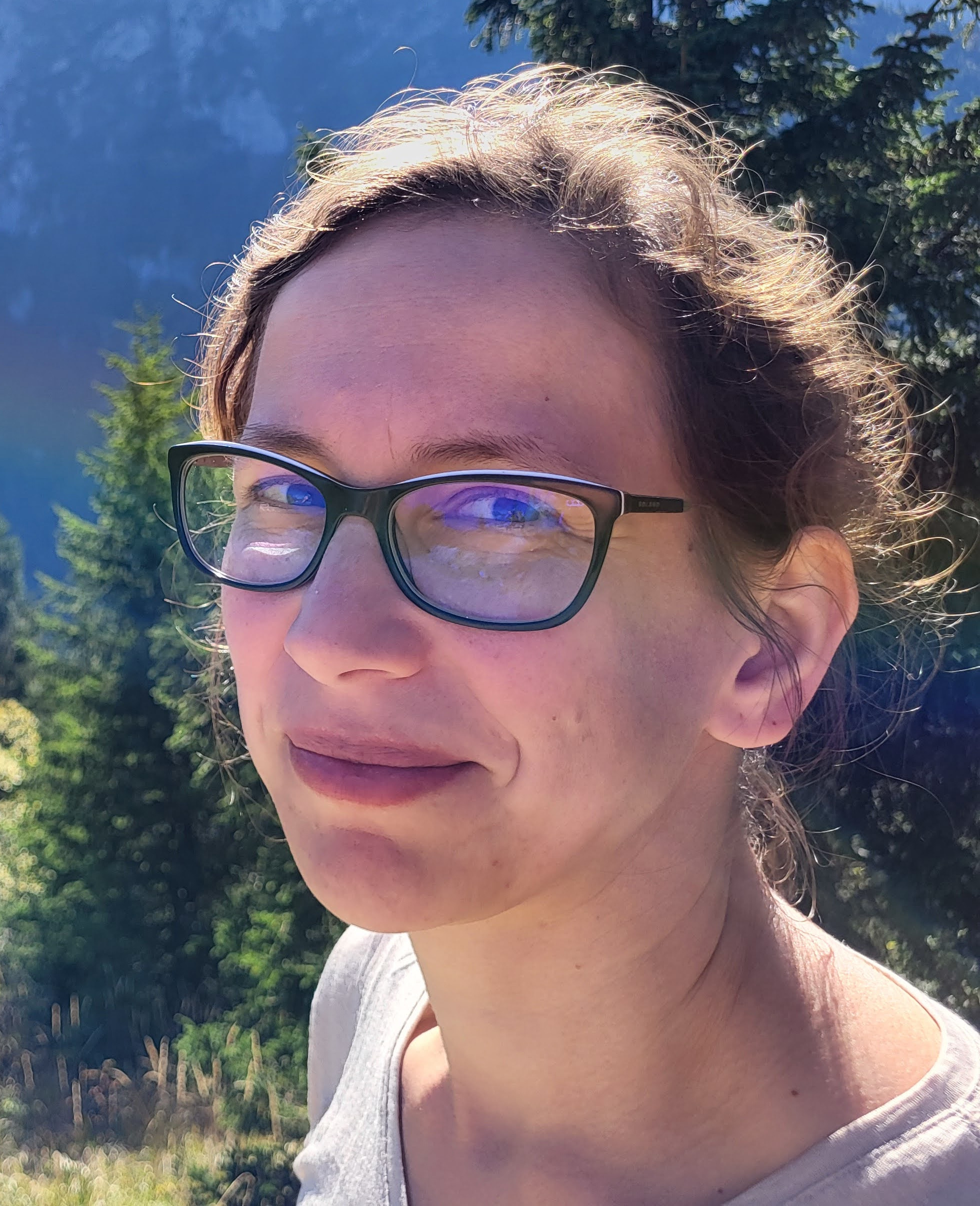
Maria Lowas-Rzechonek
I’ve graduated from philosophy and social science. True to Zed A. Shaw advice from Learn Python the Hard Way, I entered the tech world as an anthropologist with barely enough of the local language to get around and survive*. And there I stayed. My next step led me to the Django Girls community - first as an attendee, then as a couch, committer and organizer. I've been working as a Python developer since 2016
In my free time, I’m involved in the extreme sports of mountain hiking with kids and dancing flamenco.

Sponsorzy spotkania

ECHO Miasta to nowa przestrzeń na mapie Krakowa, która powstaje z myślą o mieszkańcach głównie Ruczaju i Dębnik. Chcemy ją tworzyć wspólnie z lokalną społecznością, organizacjami, instytucjami publicznymi i startupami.

The EuroPython Society (EPS) is a Swedish non-profit organization which organizes EuroPython conferences, supports the Python community in Europe and holds the rights to the EuroPython conference series and trademarks.
The EPS was formed in 2004, with the mission to turn EuroPython into a successful Python conference series for the years to come. In 2016, we have extended our mission to further the use of the programming language Python in Europe and organize events centered around the programming language Python to support this.
Their EuroPython 2026 is coming to Kraków this year for the first time!

Paged Out! is a free experimental (one article == one page) technical magazine about programming (especially programming tricks!), hacking, security hacking, retro computers, modern computers, electronics, demoscene, and other similar topics.
It's made by the community for the community. And it's not-for-profit (though in time, we hope it will be self-sustainable) - this means that the issues will always be free to download, share, and print.

"Programista" to 2-miesięcznik skierowany do zawodowych programistów i członków zespołów IT. Magazyn ukazuj się od stycznia 2012 roku w wersji drukowanej, jak również w wersji elektronicznej.
Celem magazynu jest dostarczanie profesjonalnych i ciekawych materiałów, uzupełniających i poszerzających wiedzę czytelników. Programista stawia na nowości, ale nie zapomina o starszych rozwiązaniach. Artykuły są pisane przez naukowców i znanych specjalistów z branży.
W lutym ukazało się setne wydanie magazynu.
Cracow Linux Users Group is a community of enthusiasts of computer science, technology and operating systems from the Unix family.